 English
 العربية
 Le français

Manual therapy techniques used in physiotherapy
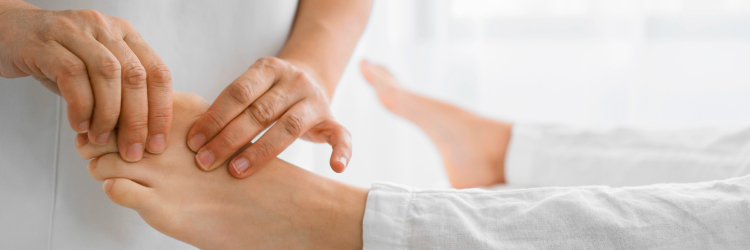
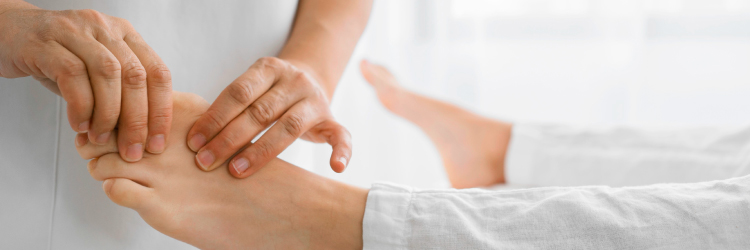
- Manual therapy is at the forefront of physiotherapy treatment and is one of the four pillars of physiotherapy. Manual therapy has a long history within physiotherapy and was included in the original pillars of physiotherapy in 1920. While the benefits of manual therapy are still debated, manual treatments are part of the biopsychosocial framework of treatments in a musculoskeletal framework. This framework includes the use of manual therapy, exercise and rehabilitation, patient education, postural guidance and many more. The benefits of manual therapy encompass a combination of biomechanical, neurological and psychological mechanisms. The International Federation of Orthopedic Physical Therapists and the American Academy of Orthopedic Manual Physical Therapists define manual therapies as a specialized technique used by physical therapy for neuromusculoskeletal conditions based on clinical reasoning.
THE FOUR PILLARS OF PHYSIOTHERAPY (CSP)
- Manual therapy and therapeutic manipulation.
- Exercise, movement and rehabilitation.
- Therapeutic and diagnostic technologies.
- Allied approaches.
Manual therapy techniques can be divided into two categories: soft tissue and joint/bony structures. During a treatment session, your physio will likely use a few different techniques, combined with exercises and rehabilitation to optimize your recovery.SOFT TISSUE TECHNIQUES
These techniques are used to target muscles, myofascials, tendons and ligaments.- Soft Tissue Massage (STM)
- Deep Tissue Massage (DTM)
- Instrument Assisted Soft Tissue Massage (IASTM)
- Deep tendon friction (DTF)
- Trigger Point Release (TPR) / Myofascia Release (MFR)
- Active Release Techniques (ART)/Soft Tissue Release Techniques (STR)
- Stretching – passive, active, assisted active
- Muscle Energy Techniques (MET)/PNF
- Acupuncture/Deep Dry Needle - What's the Difference? Watch our video below.
JOINT MOBILIZATIONS AND MANIPULATIONS
These techniques are used to target the joints themselves, encompassing the surrounding connective tissues such as the joint capsule and ligaments.Traction.- Vertebral Mobilizations – Maitlands Mobilizations.
- Spinal manipulation.
- Peripheral mobilizations.
- Mobilizations with movement (MwMs), natural apophyseal glides (NAGs), natural sustained apophyseal glides (SNAGs) – Mulligans Concept.
WHAT DO THE TECHNIQUES LIKE?
Soft Tissue/Deep Tissue/Instrument Assisted Massage
Rub/knead soft tissue at varying pressures and depths to target musculature. There are many forms of massage dating back hundreds of years; all with similar goals, to reduce tension, pain and distress. Instrument-assisted massage is a technique that uses a small metal instrument to target specific soft tissues.DEEP FRICTIONS/TRAVERSAL FRICTIONS
Unlike traditional massage which tends to work in line or longitudinally with the muscle fibers, friction massage is applied transversely, crossing the muscle. Deep friction can be applied to muscles, tendons and ligamentsMYOFASCIA TRIGGER/RELEASE POINT
A trigger point is a taut band or area of hyperirritability felt with the soft tissues. It may be tender to the touch and may cause referred pain in the local area. Trigger point release involved sustained pressure on the tight area with the area to "release" those tight tissues.ACTIVE RELEASE TECHNIQUES
These techniques are used to relieve tension in the tissues to restore normal tissue movement. During treatment, your therapist will apply pressure to the area of tension/adhesion while passively moving the muscle or instructing the patient to move muscle activity.ELONGATION
There are different types of stretches that can be done with and without the help of your physical therapist. The purpose of these techniques is to lengthen the soft tissues.MUSCLE ENERGY TECHNIQUES
These soft tissue techniques are used to stretch the muscles. Your therapist will position you to apply a stretch to the muscle, then you create a muscle contraction against the therapist's resistance. This process will be repeated about 3-5 times to improve muscle length.ACUPUNCTURE AND DRY NEEDLES DEEP
Small needles are inserted into soft tissue to "release" a muscle and reduce pain.
Share :
Add New Comment